
Your safety infrastructure is reactive. People experience risk earlier.
Already have an account? Login Here
You don't have a visibility problem. You have trust + threshold problem.
You have systems like HR channels, security vendors, and emergency protocols in place. Yet, many issues go unnoticed until someone disengages or leaves. MyHives identifies these early signs and turns them into preventive actions.

People don't report early because it feels:
Too small, not worth the hassle, risky to escalate, unclear where it goes, unlikely to change anything. So what reaches your systems is late-stage: escalated complaints, incident spikes, sick leave + turnover, space avoidance, shift avoidance, reputational damage
This invisible layer — the grey zone — is where participation erodes.
A prevention layer - not a replacement layer

What it is not
- ✕Not an emergency-device replacement
- ✕Not a security vendor replacement
- ✕Not an HR or grievance infrastructure
- ✕Not surveillance
What it is
- Location-based early signal system for everyday & preclinical situations
- Public trust-marker (Quote Belgian) + private operational dashboard
- Measurement of safety + trust + participation operational dashboard
- Help decide next steps
Prevention intelligence, not just reporting.
What creates tension, avoidance, or urgency. Each signal highlights moments where people feel pressured, unable, or unable to act freely.
Issues that limit visibility or awareness. Dynamics like poor lighting, bad street design, and architecture that isolates or exposes.
Patterns of interpersonal behaviour — harassment, intimidation, exclusion — that make spaces feel hostile or unsafe.
Barriers that prevent safe movement — unreliable transport, inaccessible infrastructure, or routes that force exposure to danger.
Absence or failure of systems that should help — slow emergency response, distrust of authorities, lack of first-aid presence.
Chronic stress, hypervigilance, or trauma responses triggered by repeated exposure to unsafe or threatening environments.
Threats from surveillance, data misuse, or online harassment that spill over into physical safety and personal freedom.
Elevated danger rooted in who someone is — race, gender, disability, sexuality — amplified by structural inequalities.
Adoption happens because it fits real life
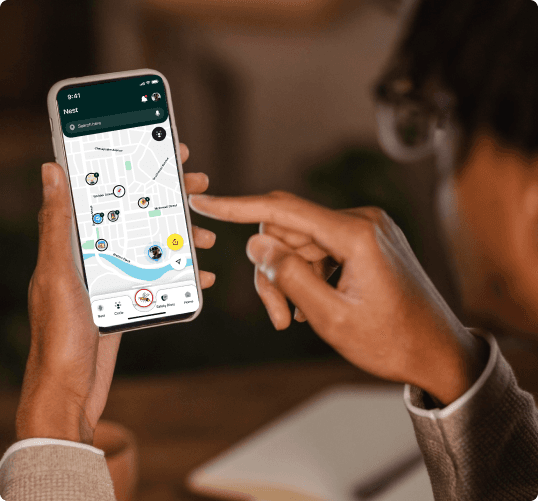
Users can: select safer route, share real-time journeys with trusted friends, silently record experiences request assistance from a Bee Keeper activate emergency alerts when necessary.
No case building required. Early action is normalized
We extend your response ecosystem - we don't replace it
Bee Keepers = preventative presence (volunteer or professional). Ideal for grey-zone intervention. If you already have response infrastructure — perfect. If not — partner coverage is available.
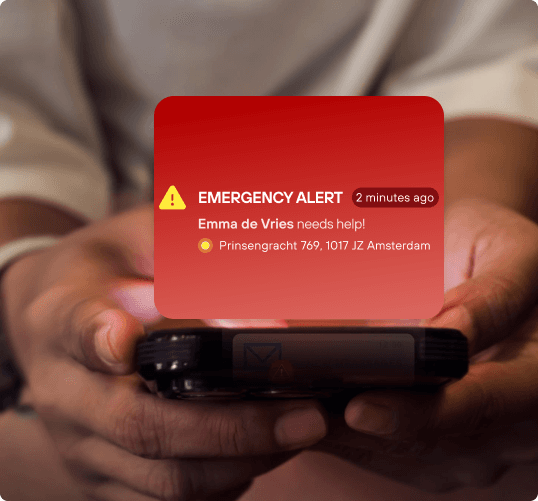
Panic = immediate escalation:
Trusted circle alerts
Optional professional routing
Integration with existing vendors
Privacy-first by design
Only anonymised, aggregated patterns with minimum thresholds. Protects people. Protects organisations. Enables adoption.
Organisations never receive:
Live tracking
Individual routes
Panic session access and identity trails
Prevention Infrastructure for
Real-World Safety
What You Get
- Early Signals — Before Escalation
- You don't wait for incidents.
- You see patterns forming — anonymously.
That's how prevention becomes possible.
Location-Level Precision
- Know exactly where and when risk concentrates.
- Act surgically: lighting, staffing, training, route design, policy reinforcement.
Built-In Accountability
- Signals don't disappear.
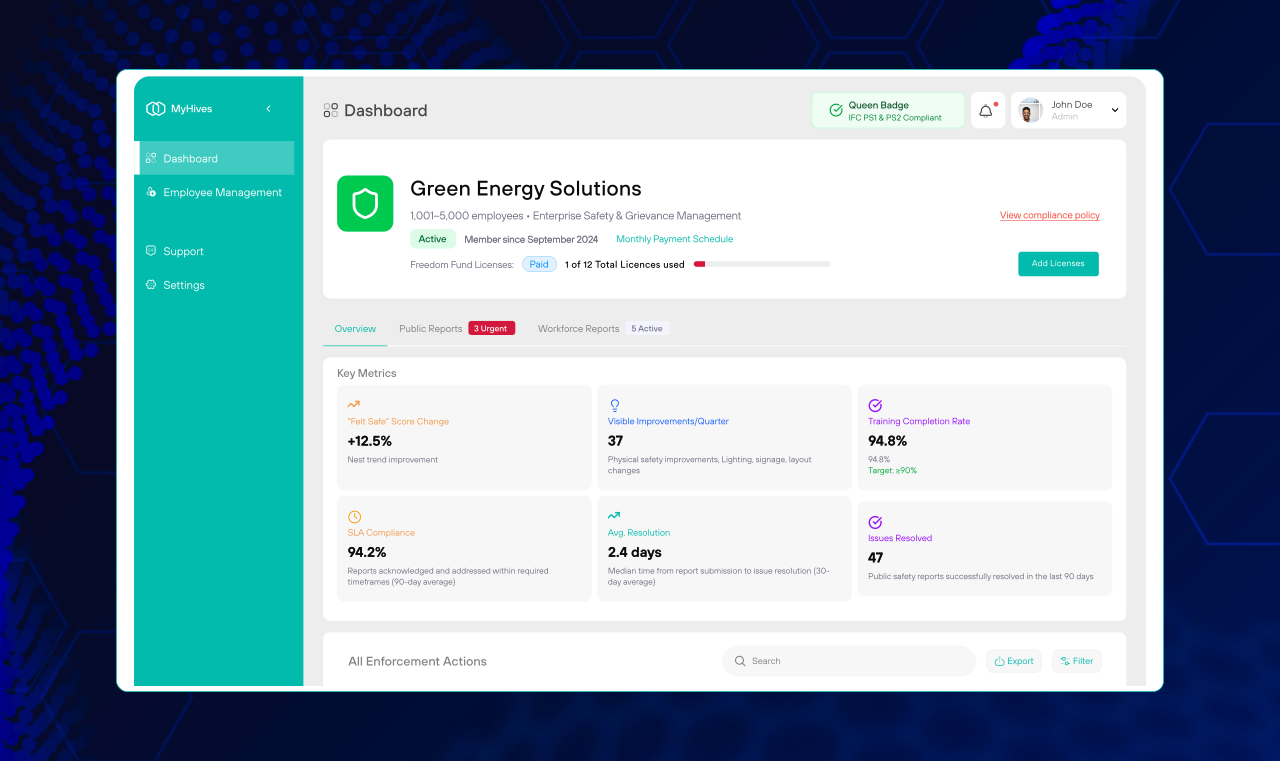
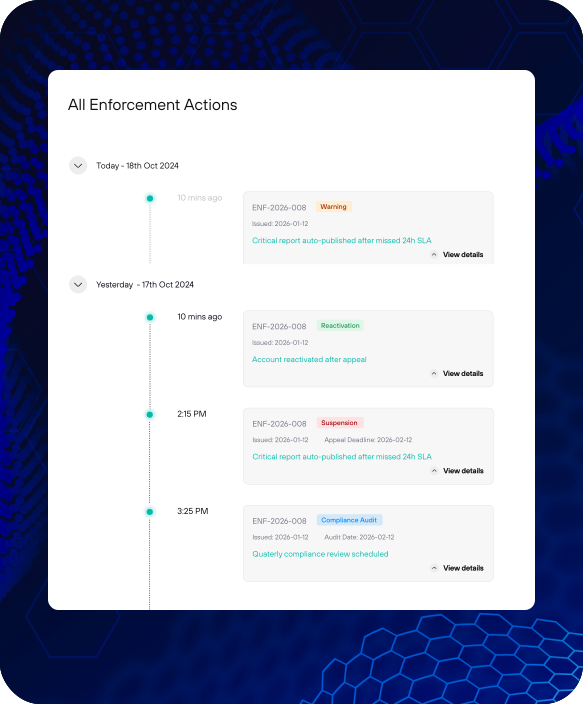
- Workflows. Response timelines. Clear ownership.
- "We care" becomes measurable.
Leadership-Ready Reporting
Turn lived experience into decisions: Governance. ESG. Risk reviews. Prevention roadmaps.
Your safety stack handles incidents, but MyHives focuses on prevention.
To reduce escalations, seek early signals. For trust, show visible commitment. To encourage participation, ensure daily safety infrastructure.
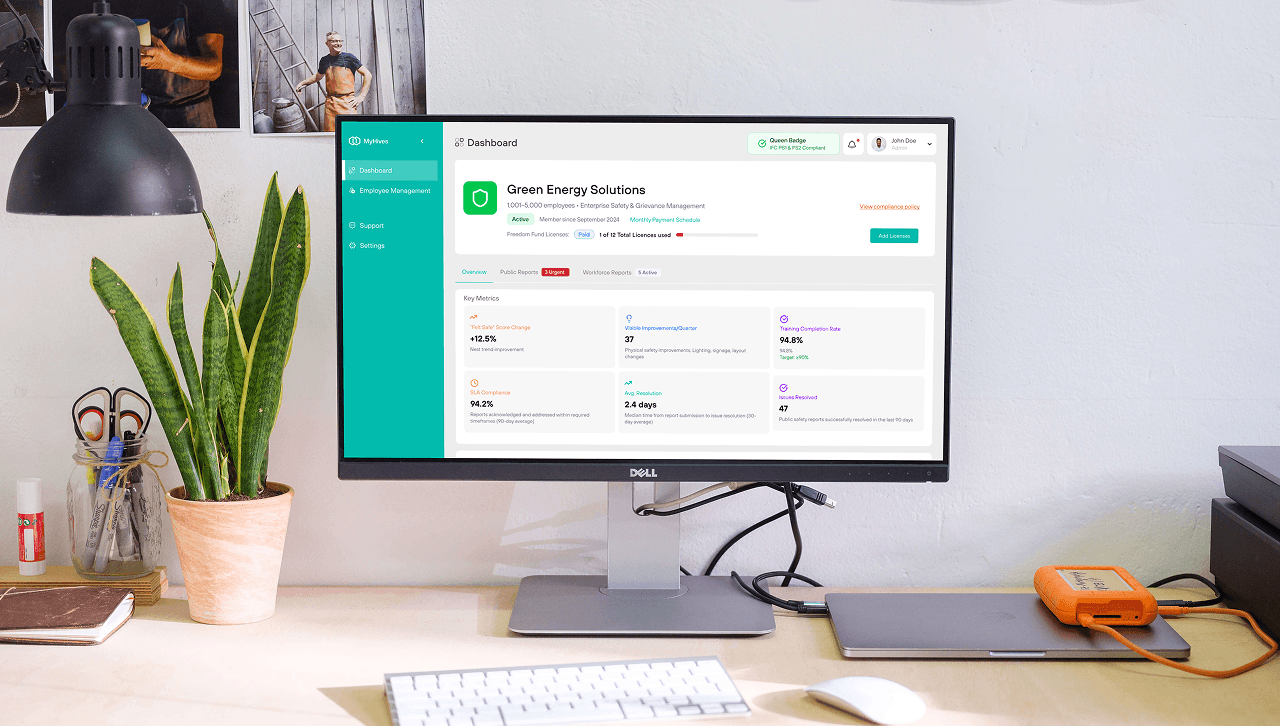
Queen Badge = "We take everyday safety seriously."
It’s awarded on activation.
Because commitment should be visible from day one.
But it must be upheld
It’s a visible commitment employees, students, and visitors can recognise.
It supports:
- Employer branding and recruitment
- Retention and wellbeing
- ESG and duty-of-care narratives
- Student trust and campus participation
- Public confidence in venues and services